THE LEGEND
He was born in a wandering camp in the shadow of the Carpathians, in a Latveria that would sooner burn his people than count them. His mother was a sorceress whose soul the devils claimed as their price; his father a healer who froze in the mountain snows carrying his son to safety. From that double grief the boy built a vow, and he learned every science the world could teach him alongside every dark art it feared to name, until the two were a single craft in his hands.
The accident that scarred his face is told in whispers, though they say the wound was small and his pride immense. He forged a mask of iron and pressed it still glowing to his own skin, so the world would meet Doom and never the man beneath. Now he rules Latveria absolute, a nation that adores its tyrant, and once a year he storms the gates of Hell to wrestle his mother's soul from the damned. He has held the power of gods in his fist and handed it back, because to Doom a throne seized is worth more than a throne given.
OFF THE PAGE
Doctor Doom stormed into Fantastic Four #5 in 1962, the crowning creation of Stan Lee and Jack Kirby, and he arrived essentially finished: armor, cloak, iron mask, and an ego large enough to fill a small European country, which he promptly annexed. He is the template every comic despot since has been measured against, the villain who is somehow also the most compelling monarch, statesman, and tragic figure in the Marvel canon. Readers keep gravitating to him because he refuses to be small: his defining flaw is that he believes, sincerely, that the world would be better if he simply ran it. On screen he has been played by Julian McMahon and Toby Kebbell, and the decision to hand the mask to Robert Downey Jr. tells you exactly how much weight the character carries. Doom endures because pride, at his scale, becomes something close to grandeur.
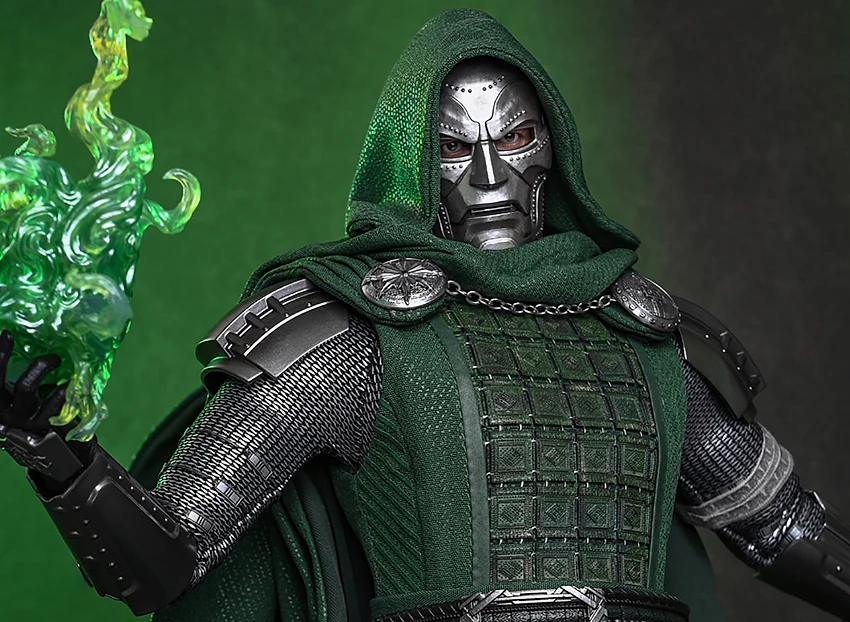
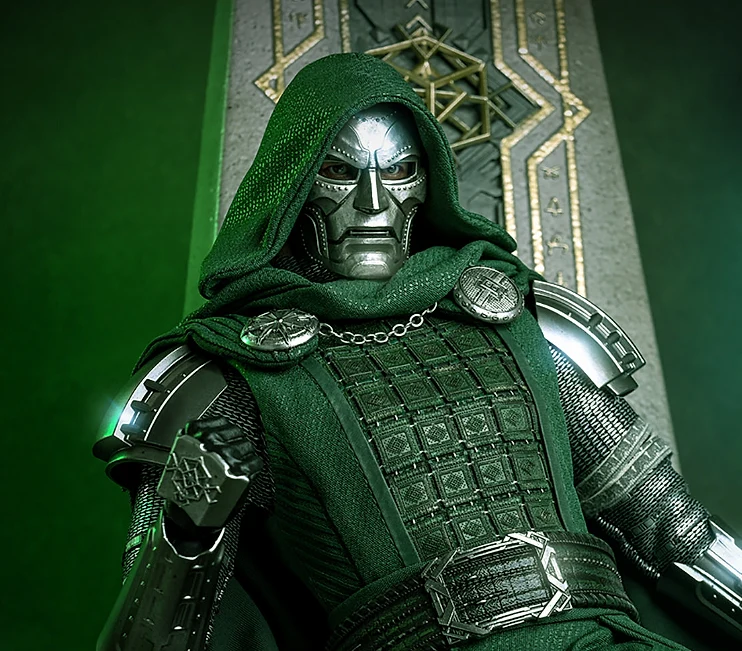
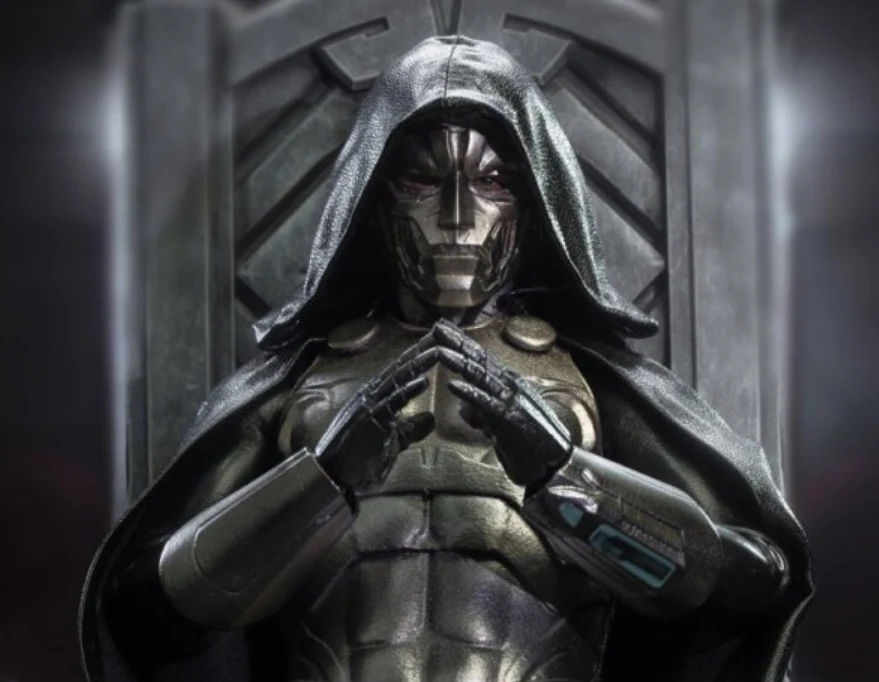
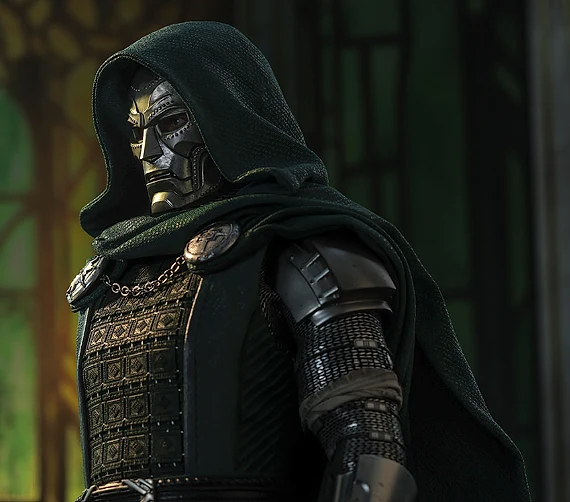
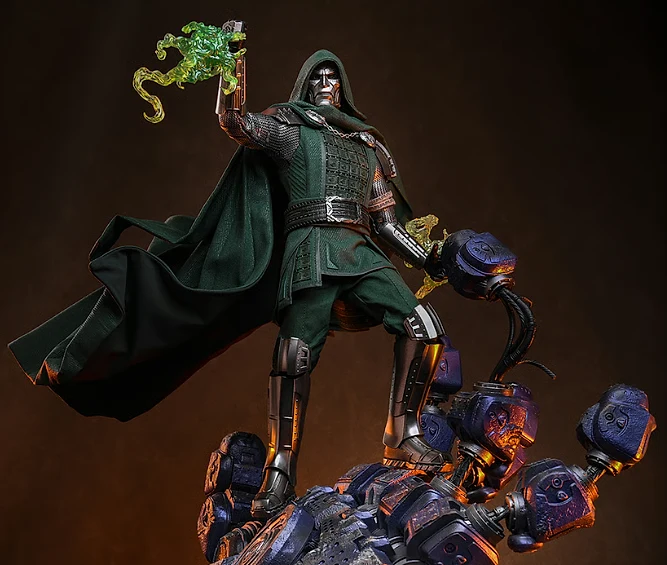
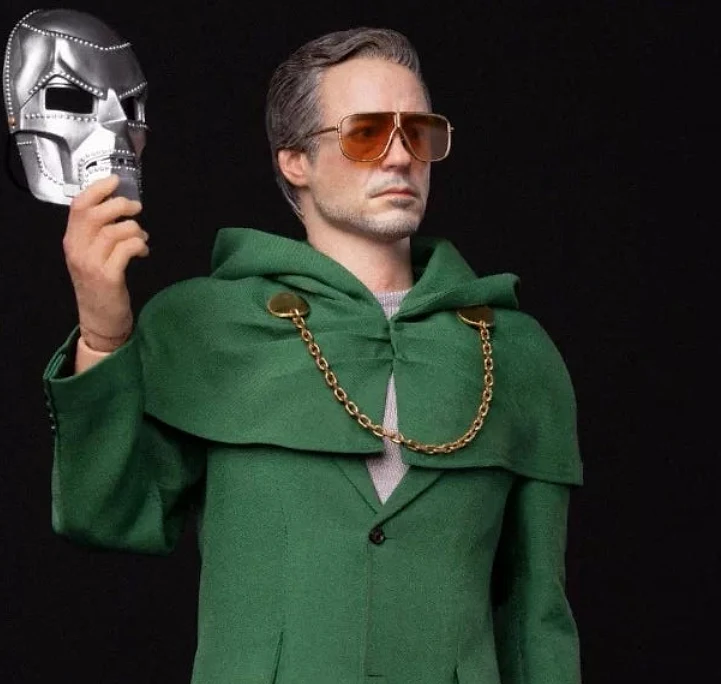
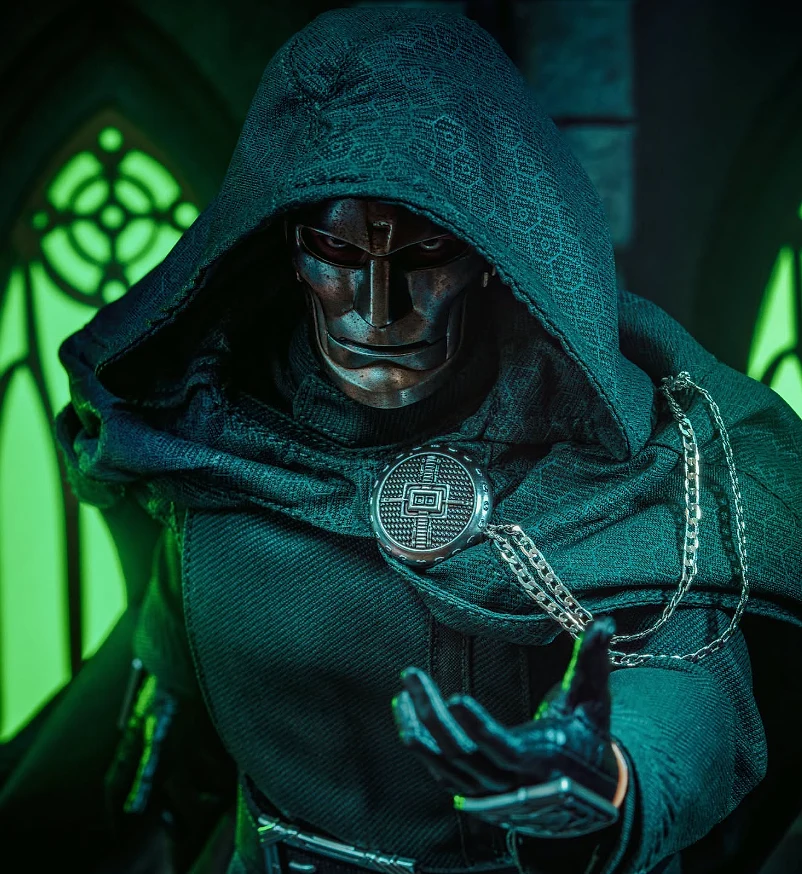
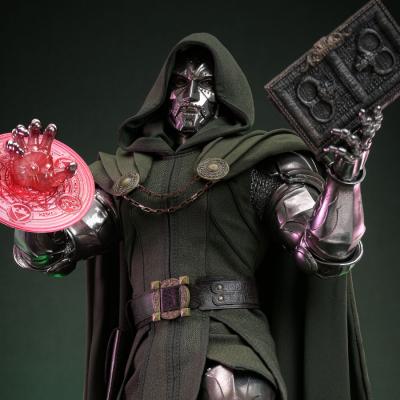
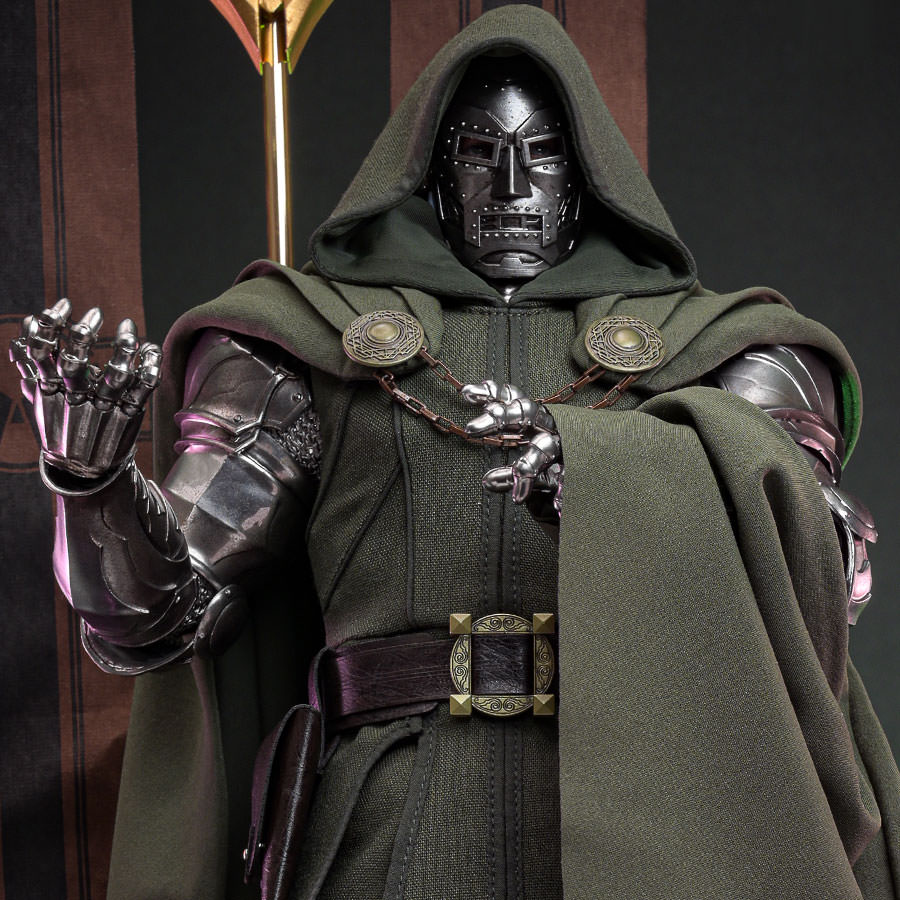
 FIGURE NEWSNo. 35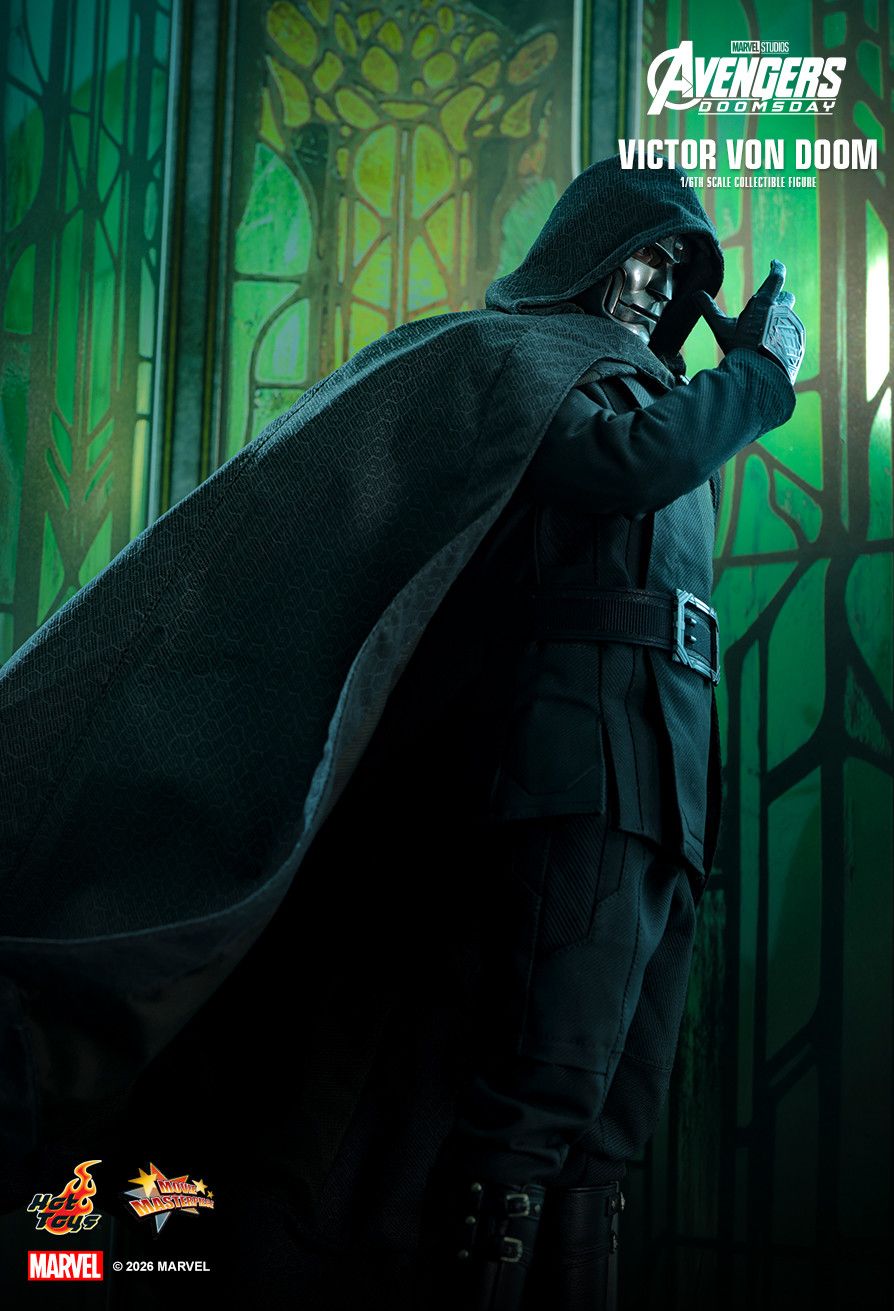
 1
1 2
2