

 FIGURE NEWSNo. 6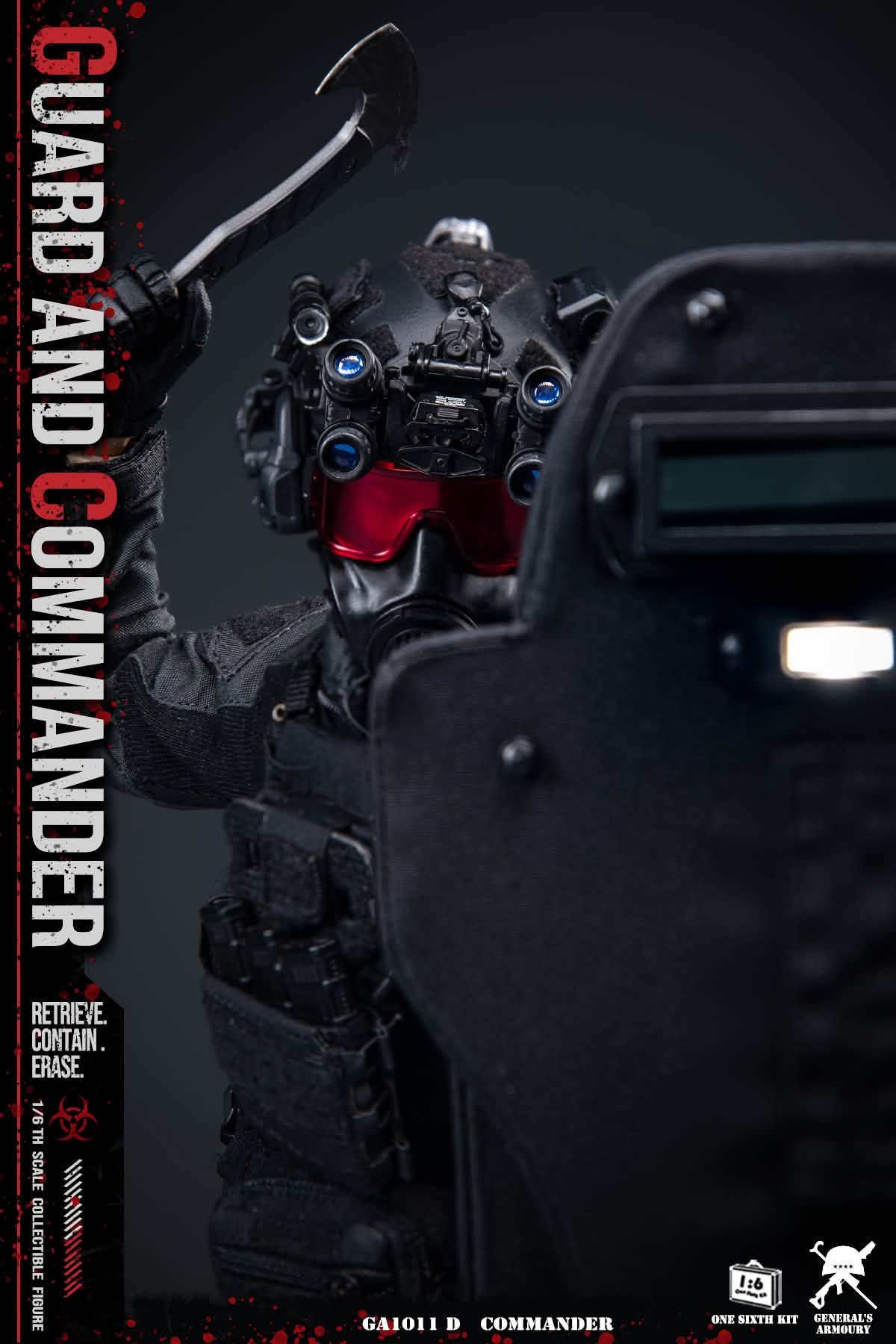
General's Armoury Commander & Guard
The Kollectorium 3
3 2
2
32
85 sixth-scale figures across 21 manufacturers
Resident Evil arrived on the PlayStation in 1996, when Capcom sent the S.T.A.R.S. team, led in the player's hands by [Chris Redfield](/character/chris-redfield) and [Jill Valentine](/character/jill-valentine), into a mansion full of the undead. It is credited with defining survival horror, and across sequels, remakes and the live-action films (which added a heroine of their own, Alice) it has given collectors a deep cast of soldiers, cops, spies and monsters.
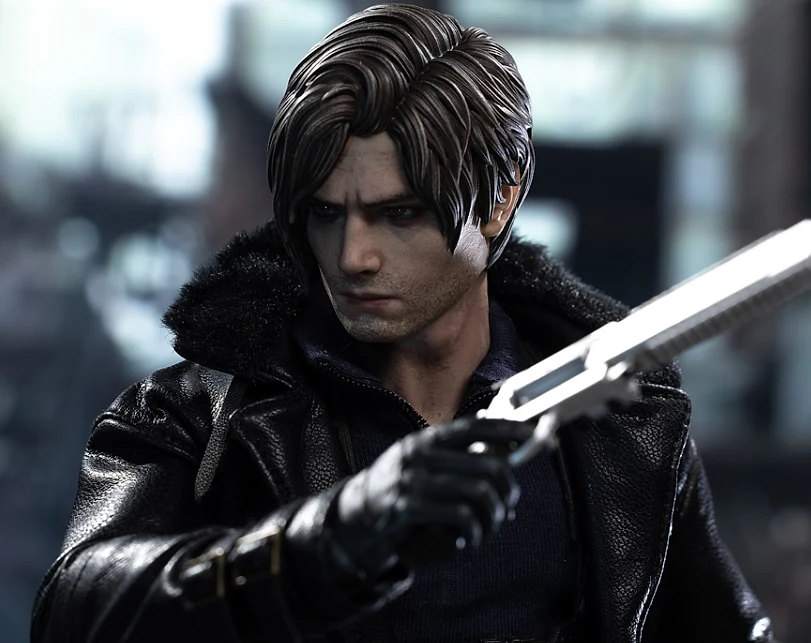
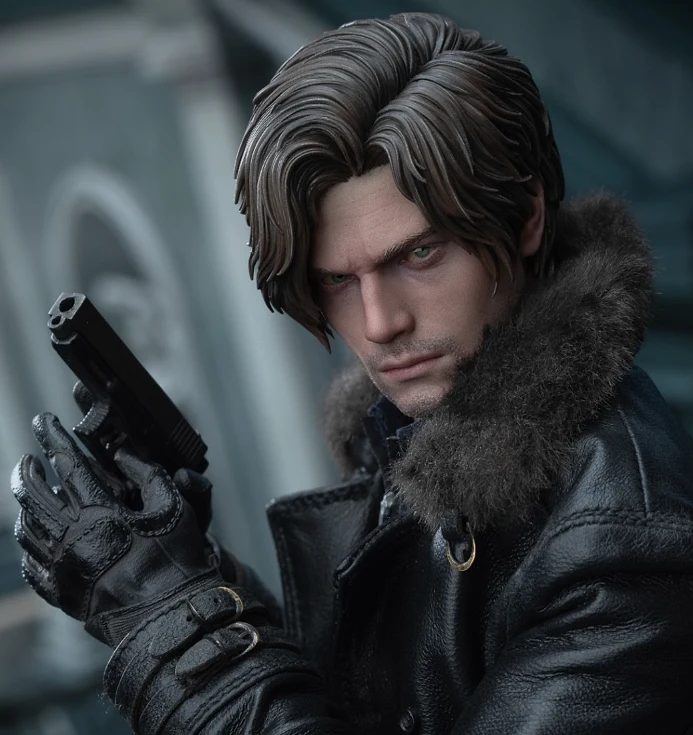
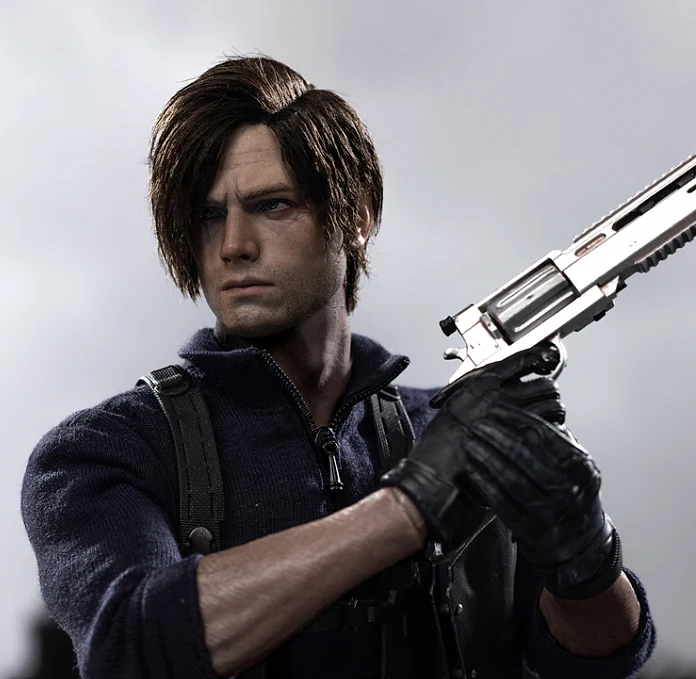
In sixth scale, the story starts with [Hot Toys](/manufacturer/hot-toys). Its Video Game Masterpiece line began with Resident Evil, and by 2010 Game Informer noted the line was still devoted entirely to the series. Resident Evil 5 brought Chris and Sheva Alomar, then Albert Wesker in his S.T.A.R.S. and Midnight looks, Jill in her B.S.A.A. and Battle Suit versions, [Leon S. Kennedy](/character/leon-s-kennedy), Jack Krauser and the burlap-masked Chainsaw Killer. For many collectors these were their first proof that a game character could get the same treatment as a film star.
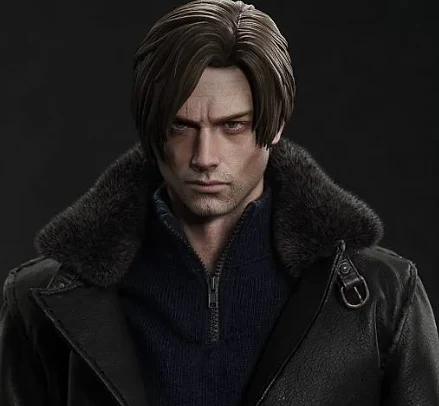
Today the shelf belongs mostly to smaller studios. [SW Toys](/manufacturer/sw-toys) is the busiest, with many takes on Jill, [Ada Wong](/character/ada-wong), Claire Redfield and Alice, while [DamToys](/manufacturer/damtoys) has brought its military precision to Leon, Claire and Ada. [Hot Heart](/manufacturer/hot-heart), [Master Team](/manufacturer/master-team), [EKUAZ Studio](/manufacturer/ekuaz-studio) and [Super Duck](/manufacturer/super-duck) add their own versions, and the remakes have given every one of them new outfits to chase.
Resident Evil collectors usually sort by game. A Raccoon City shelf with Leon in his R.P.D. uniform, Claire and Mr. X looks nothing like a Resident Evil 5 shelf in B.S.A.A. kit, and Umbrella's own soldier, [HUNK](/character/hunk), fits wherever there is trouble. Jill and Ada are among the most collected characters here, and most fans pick a favorite outfit before they pick a maker.
Most franchises join a genre. Resident Evil named its own: the words "survival horror" enter the language with its 1996 opening screen, and thirty years of frightened, delighted players have been surviving it ever since. This is the Archive's record of Raccoon City at twelve inches, and it holds a surprise about who actually founded video-game sixth scale.
Fair warning: this is a love letter. The dates are sourced and the numbers are ours, and if something scratches at the door partway through, do not open it. That has never once gone well.
In 1996 Shinji Mikami and a small Capcom team locked players inside a mansion in the Arklay Mountains and invented dread as a game mechanic. Ammunition was scarce. Saves cost ink ribbons, which were also scarce. Every door opened on its own slow, creaking loading screen, which players learned to fear more than what waited behind it. And one hallway had a window, and the window had dogs, and an entire generation still flinches at plate glass.
The genius was economics: by making safety a resource, Resident Evil made courage a spending decision. S.T.A.R.S. officers Jill Valentine and Chris Redfield walked into that mansion with eight bullets and walked out into gaming history, trailed by the Umbrella Corporation, the pharmaceutical giant whose idea of research and development remains the genre's most productive villain.
The 1998 sequel did the boldest thing in franchise history: it burned the setting down. Resident Evil 2 handed the outbreak to an entire city and to two newcomers, rookie cop Leon S. Kennedy on his catastrophic first day and college student Claire Redfield looking for her brother. A year later Resident Evil 3 sent Jill running through the same streets with something enormous in pursuit, and then the series ended Raccoon City with a missile strike. No sequel-friendly restraint, no reset button: the map itself was a casualty.
That willingness to destroy its own furniture is why the franchise never fossilized. Casts rotate, cities fall, viruses mutate. The only constants are Umbrella's paper trail and the sound of something heavy learning to run.
In 2005 Resident Evil 4 put the camera over Leon's shoulder and accidentally redesigned the action game. The over-the-shoulder view became the industry default within a console generation, and everything from third-person shooters to prestige adventures still aims down that sightline. The game itself became a permanent resident of best-ever lists: the village mob, the chainsaw, Ashley Graham in the wardrobe, and a merchant whose greeting became a password between strangers.
The Archive can prove how instantly that game mattered to this hobby: among the very first Resident Evil figures ever made at this scale is the Chainsaw Killer himself, a burlap-hooded villager immortalized in 2007. When a franchise's nameless first miniboss gets premium tailoring before most protagonists in gaming, the argument is over.
Here is the Archive's quiet scoop: video-game sixth scale was born wearing S.T.A.R.S. gear. The earliest Resident Evil entries in these records are Hot Toys catalogue numbers VGM002, VGM004, VGM005, VGM006 and VGM007, all released in 2007: five of the first seven numbers in the Video Game Masterpiece line, the series that established games as premium 1/6 material at all. Leon in his R.P.D. uniform, a transformed Jack Krauser, the Chainsaw Killer, and the BSAA era's Chris Redfield and Sheva Alomar were not early adopters of a category. They were the category.
Other franchises would later dominate the headlines, but the precedent was set here: game characters deserved tailoring, likeness sculpture and weapon loadouts as serious as any film star's. Every video-game figure in this Archive walks through a door Resident Evil opened, slowly, with that creak.
Ask who fronts this franchise and most people say Leon. The shelves disagree. The most collected Resident Evil character in this Archive is Jill Valentine at sixteen figures, with Ada Wong one behind at fifteen, and Leon third at ten. Survival horror's marquee franchise is, by the numbers collectors actually vote with, led by its women: the S.T.A.R.S. veteran who survived the mansion and the spy in the red dress whose allegiance remains the series' longest-running mystery.
The film era adds its own heroine to the roster: Alice, the franchise's big-screen invention, holds four entries here from the Milla Jovovich series that carried Resident Evil through fifteen years of cinema. Between them, the women of this franchise out-collect its men comfortably, which feels right for a series whose first hero to escape the mansion was Jill.
The modern catalogue is a two-track economy. On the licensed track, DamToys brought its military-grade tailoring to the remake era's survivors. On the other track runs the shadow gallery, and in this franchise it is not a side story, it is the majority: SW Toys leads the entire catalogue at twenty-three entries, Hot Heart, Master Team and Super Duck keep the outbreak supplied, and one studio operates under the name Umbrella Toys, which is either a legal gamble or the most on-brand tribute in the hobby. Nineteen makers in all have filed Resident Evil work here.
The remakes of 2019 through 2023 and Village's gothic detour handed all of them a new decade of material: every era of Raccoon City now ships in parallel, original uniforms beside remake redesigns. Umbrella's research was never this well organized.
All told: 74 Resident Evil figures from nineteen manufacturers, spanning 2007 to preorders already dated 2027. From the Video Game Masterpiece pioneers to the coded studios keeping the S.T.A.R.S. roster fully staffed, it is the definitive proof that horror collects beautifully: the poses are tense, the gear is soaked in story, and the display shelf doubles as a containment facility.
Every figure here is an ink ribbon: a moment of the story saved permanently, at some cost, because you decided it was worth keeping. The Archive respects that math. Save often. Collect accordingly. And if the shelf creaks at night, it is probably the wood. Probably.

One notice from collectors about Resident Evil, newest first
FIGURE NEWSNo. 632