25FIGURES
5MAKERS
2016EARLIEST
2026LATEST
THE LEGEND
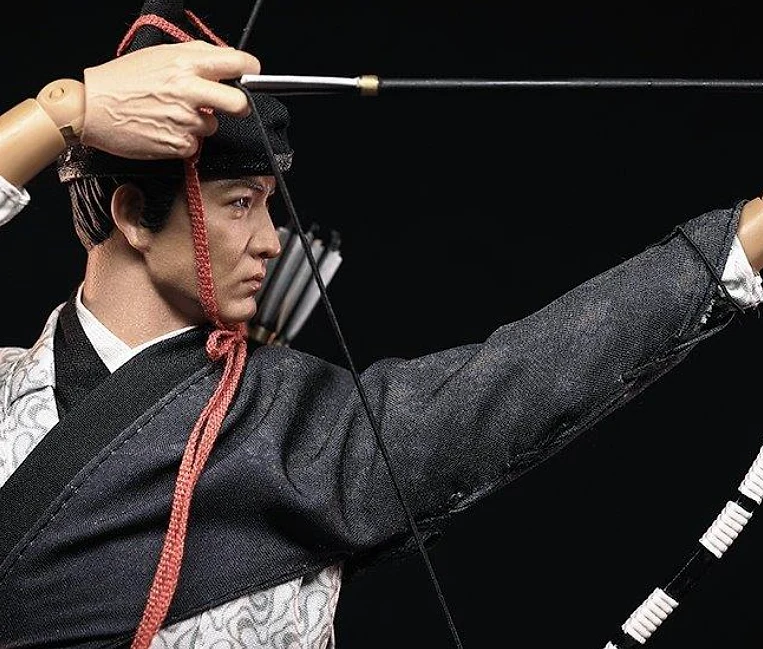
His title means one who serves, and for most of his history that was the whole job description. He began as a mounted archer guarding provincial estates, grew into a warrior class that ran Japan through its shoguns, and spent the long civil wars of the Sengoku era riding at the head of armies that now marched with spearmen and matchlocks. When peace finally came after the siege of Osaka in 1615, he stayed armed for another two and a half centuries and became, of all things, an administrator.
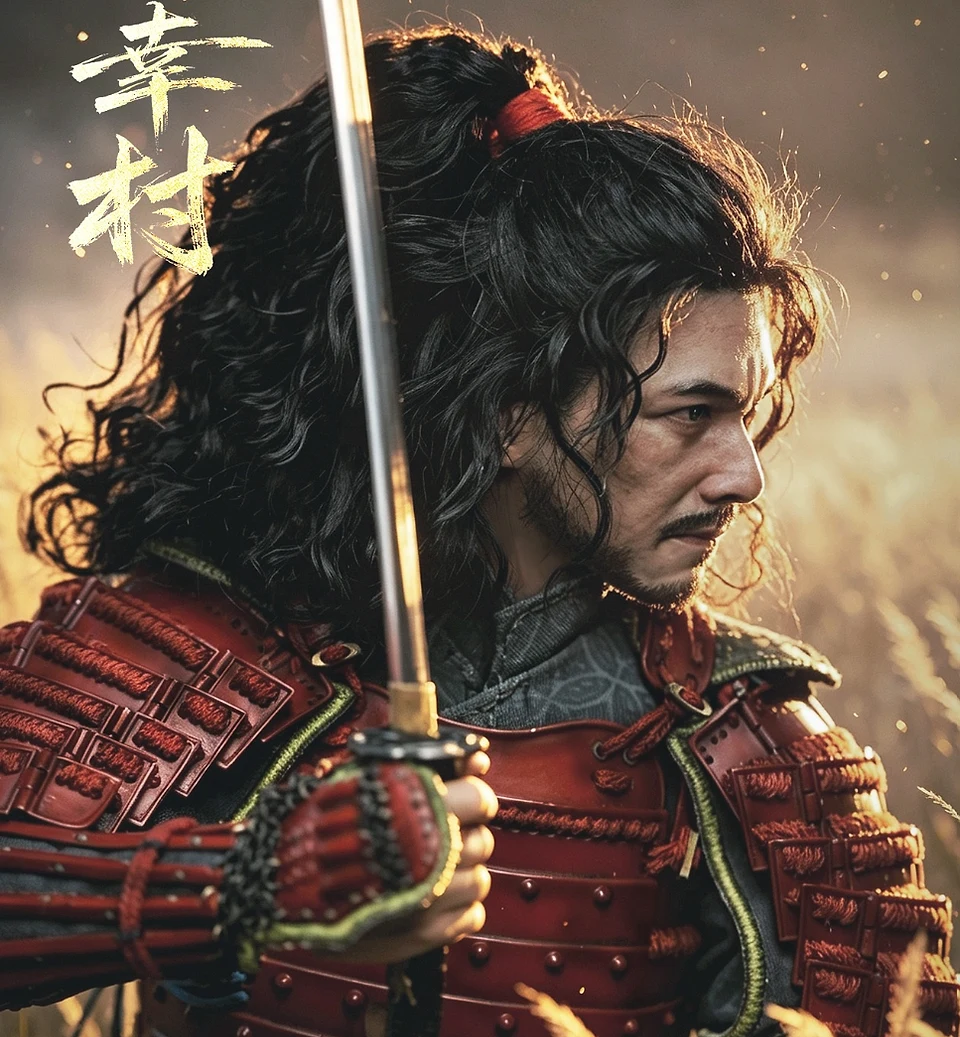
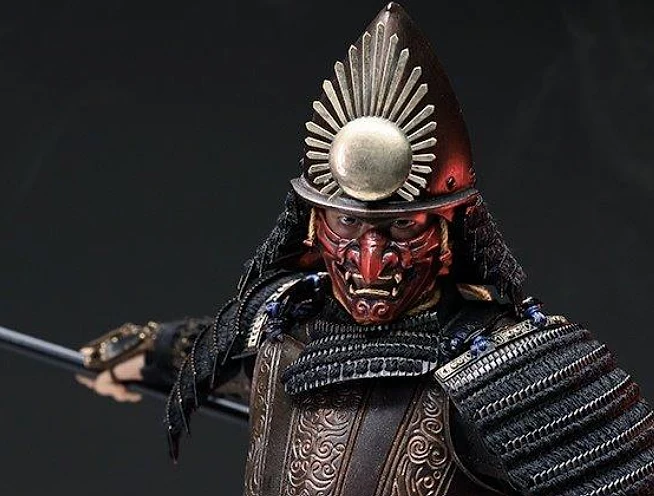
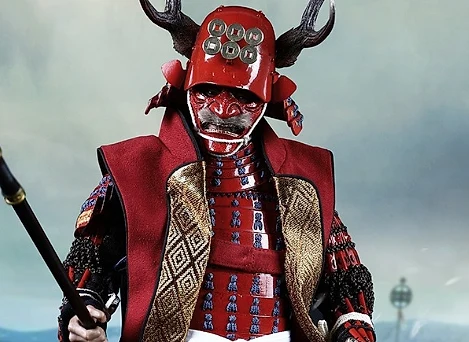
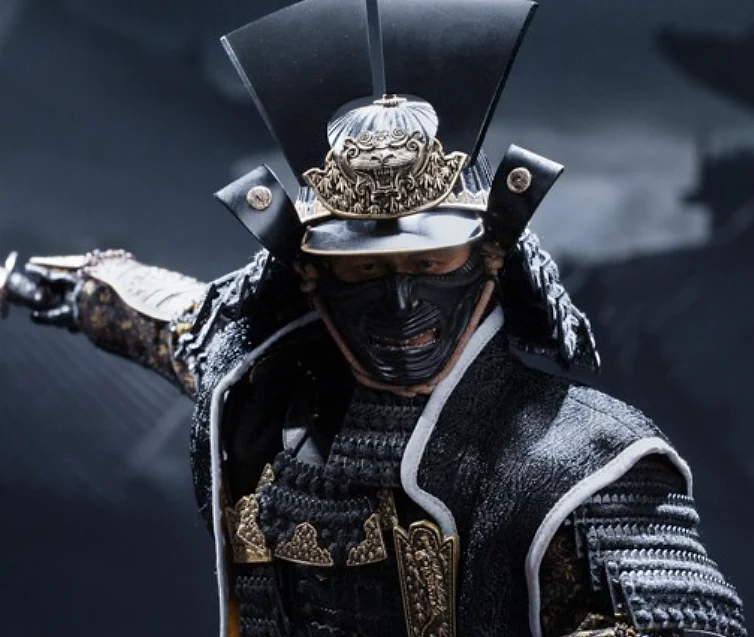
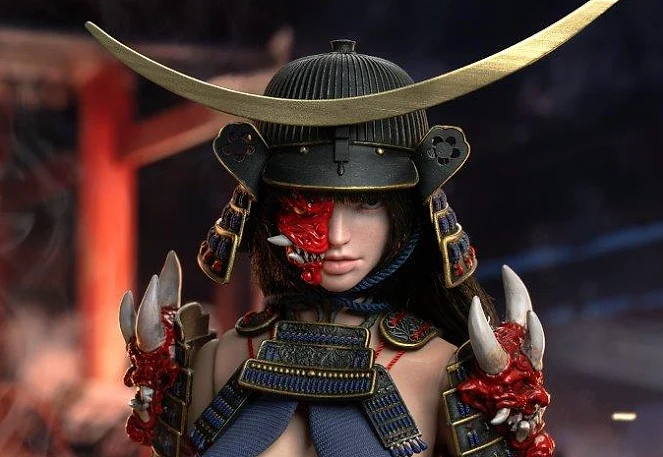
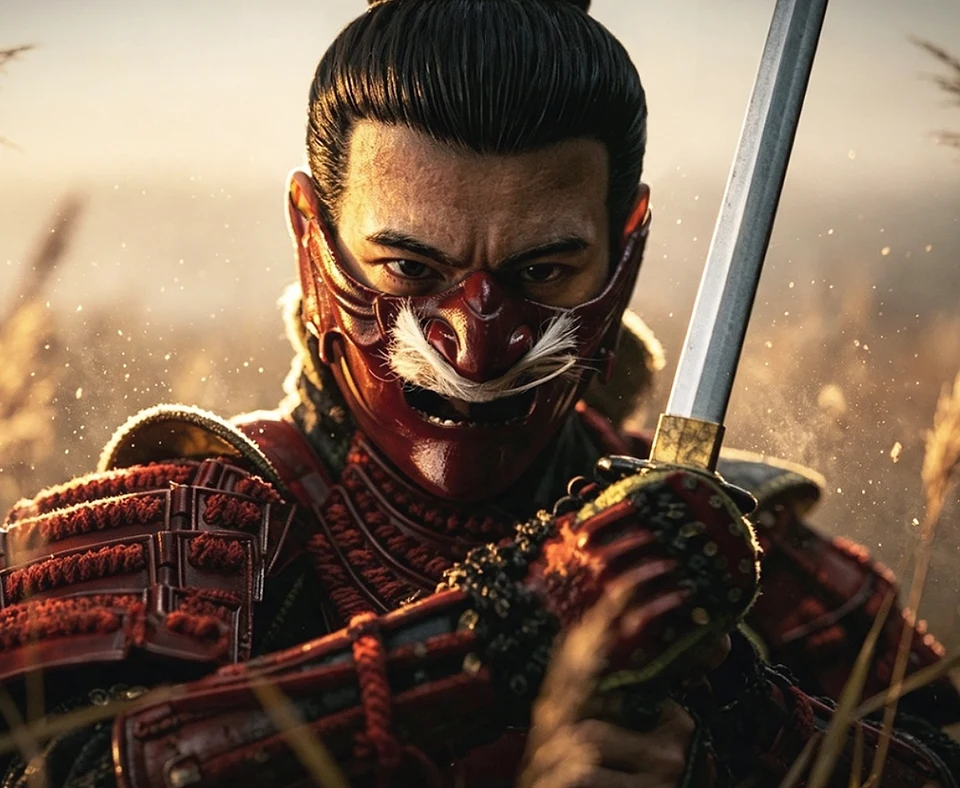
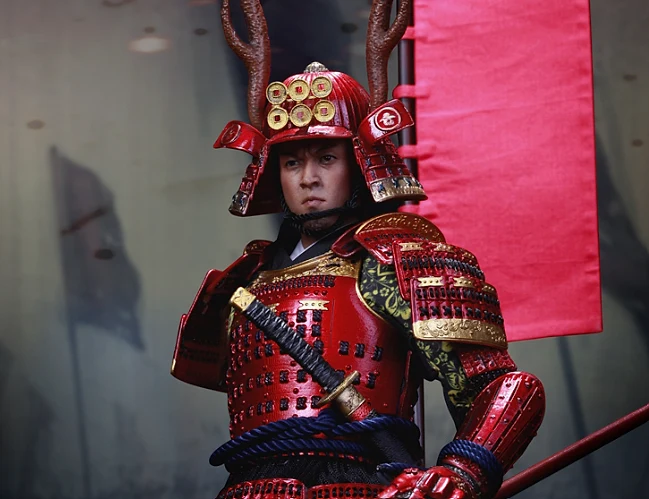
You know him by his kit. Armour built from small lacquered plates laced together with silk cord, the colours chosen by his house. A crest rising from the front of the helmet, a lacquered mask with a throat guard, a small banner on his back so friends could find him in the press of battle. And the two swords at his hip, which outlived every war he fought. When the Meiji government dissolved his class in the 1870s, the last great samurai revolt ended at Satsuma in 1877.
OFF THE PAGE
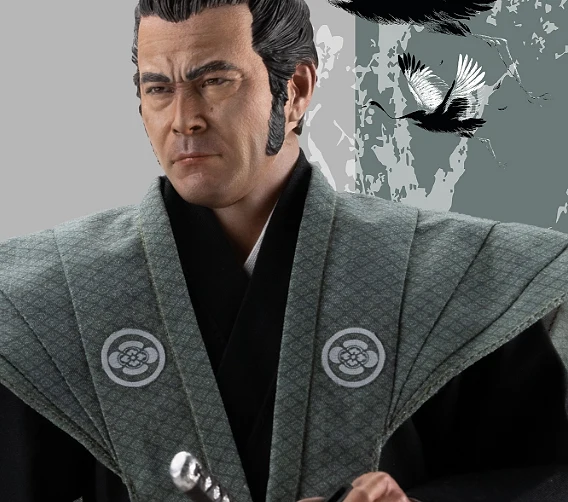
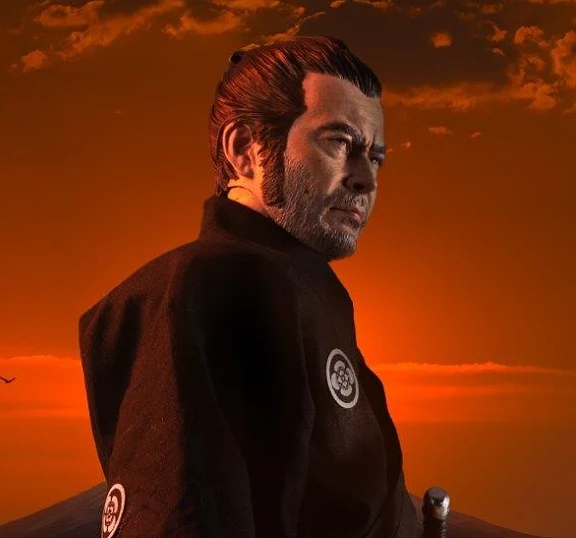
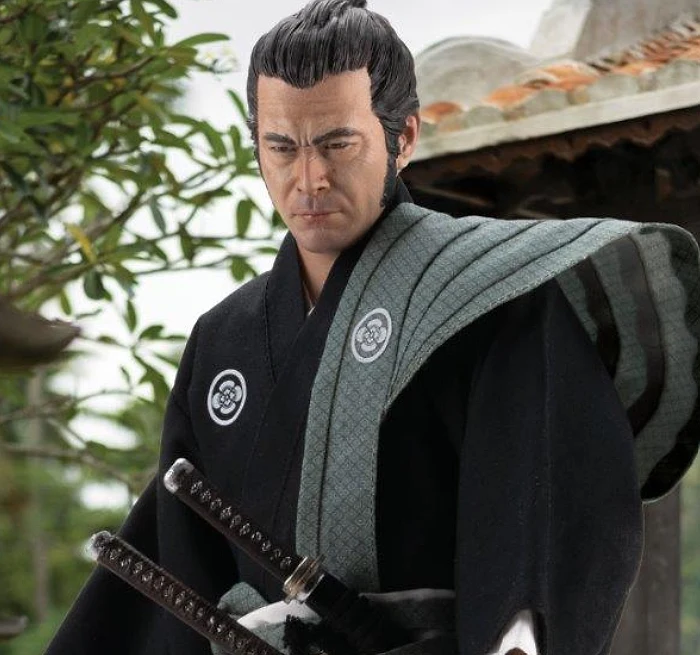
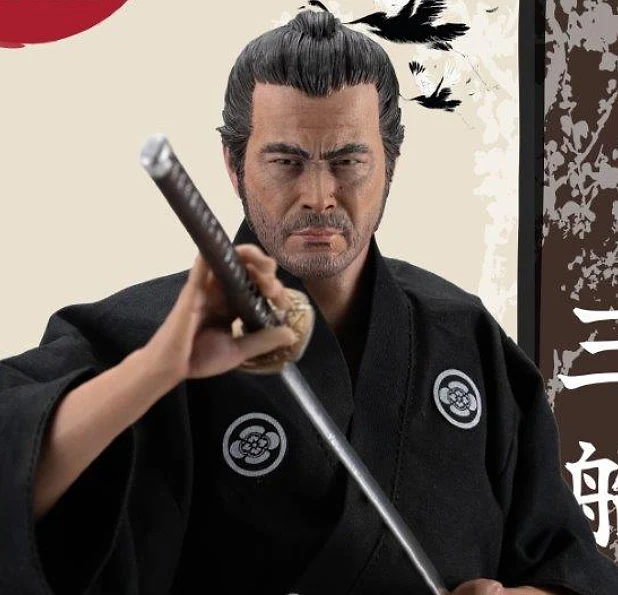
Few warriors have travelled as far on film. Akira Kurosawa's Seven Samurai (1954) is regularly named among the greatest films ever made, and its story of hired swordsmen defending a village was remade many times, most famously as The Magnificent Seven in 1960. Toshiro Mifune played Kikuchiyo, the peasant who pretends to be a samurai, and became the face of the genre for audiences around the world.
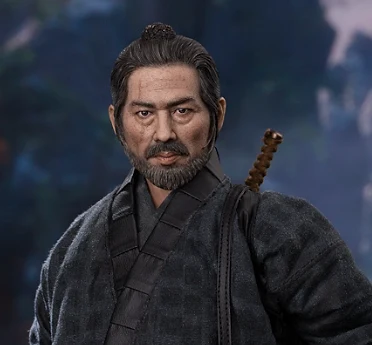
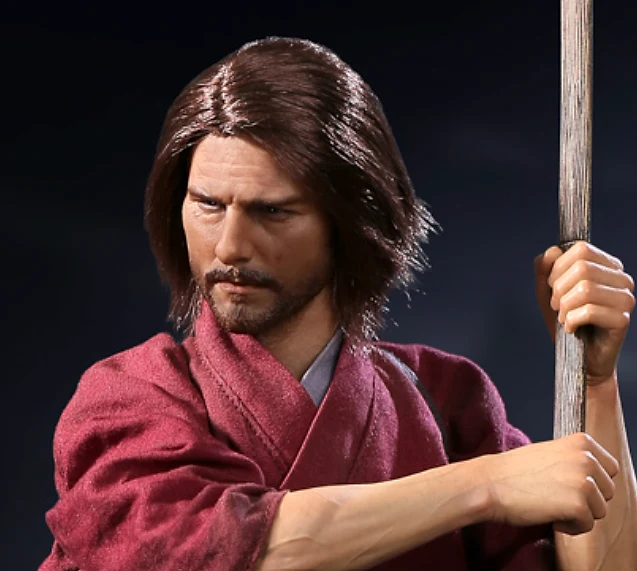
Hollywood came back to the subject in 2003 with The Last Samurai. Edward Zwick's film starred Tom Cruise as Nathan Algren, with Ken Watanabe as Lord Katsumoto, a role that earned him an Academy Award nomination, and Hiroyuki Sanada as the swordsman Ujio. Its plot was inspired by the 1877 Satsuma Rebellion, the samurai's last stand.
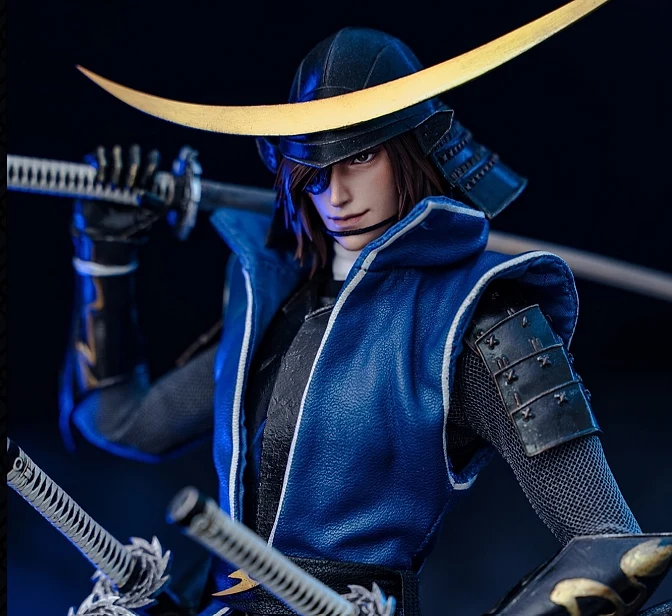
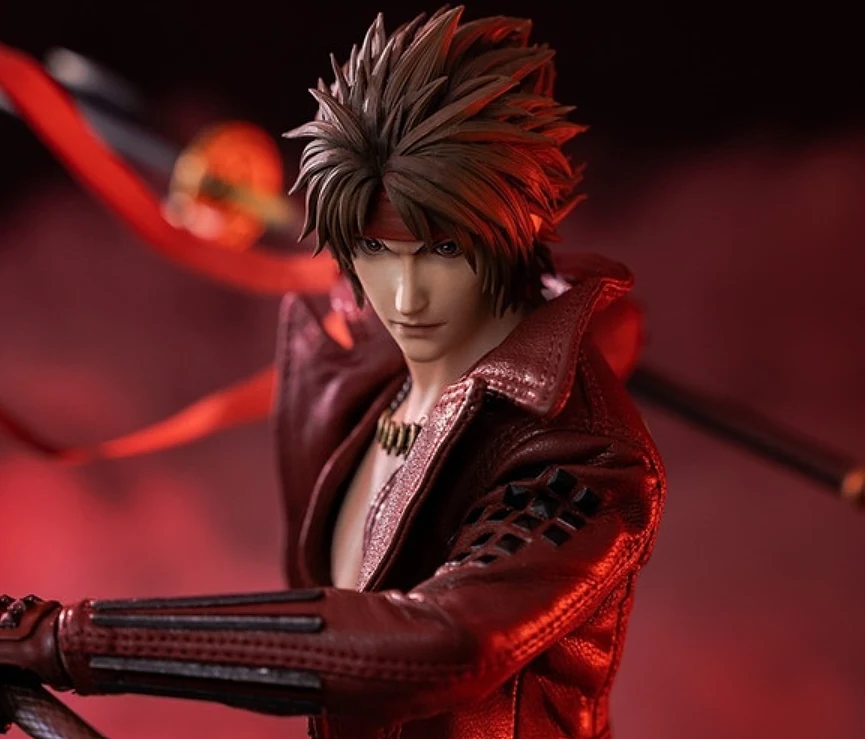
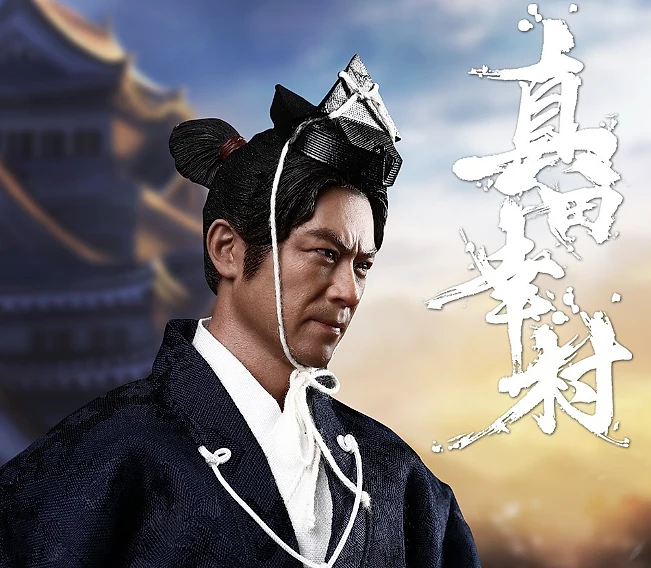
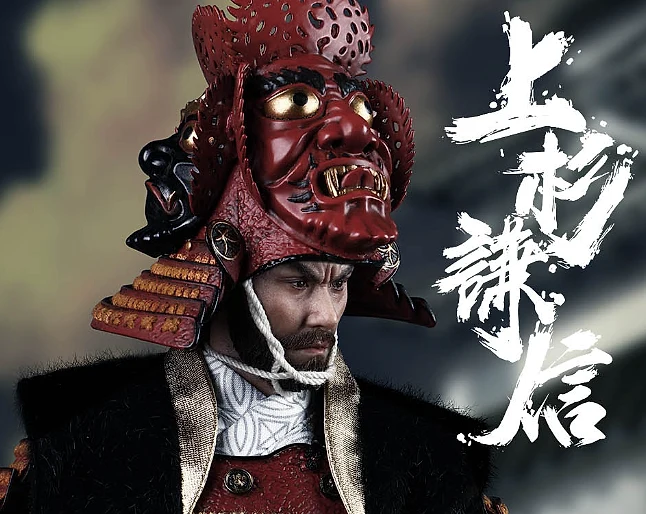
Alongside the films sit the real men of the Sengoku period, warlords such as Oda Nobunaga, Date Masamune, Sanada Yukimura and Uesugi Kenshin, whose names still sell games, dramas and manga. That mix of history and cinema is exactly what the twelve-inch shelf draws on.
IN SIXTH SCALE
Samurai are some of the hardest figures to make well in 1/6 scale. The armour alone is a puzzle of plates, silk lacing and lacquer, and the makers who take it on tend to commit fully.
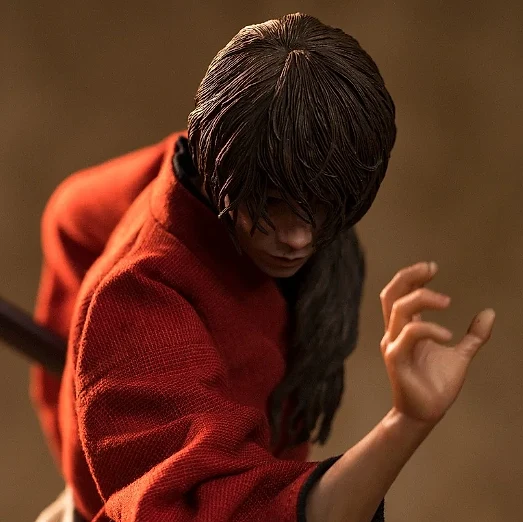
CooModel leads with its Series of Empires line, which also covers European knights. Its Sengoku warlords include Oda Nobunaga, Sanada Yukimura, Uesugi Kenshin and Date Masamune, issued in standard and more elaborate exclusive versions, with Sanada returning in several armours. Pop Toys took its cue from The Last Samurai, with Katsumoto, Ujio and Nathan Algren in battle armour. Kaustic Plastik, working with Infinite Statue, paid tribute to Toshiro Mifune in samurai and ronin dress, with a black kimono bearing the Mifune family crest and metal-bladed swords. Rocket Toys went the video game route with Date Masamune and Sanada Yukimura from Sengoku Basara, and SooSooToys brought Kenshin Himura from Rurouni Kenshin.
Collectors judge these figures by the armour first: how the lacing reads, whether the helmet crest sits right, and whether the cloth layers underneath look worn by a person. Many display them on stands with banners and swords racked beside them.
RELEASES BY YEAR
2
1
8
4
1
6
3
20162026
BY MANUFACTURER
CooModel
11
Pop Toys
7
Kaustic Plastik
4
Rocket Toys
2
SooSooToys
1
FRANCHISES
APPEARS IN
EVERY SAMURAI FIGURE
newest first